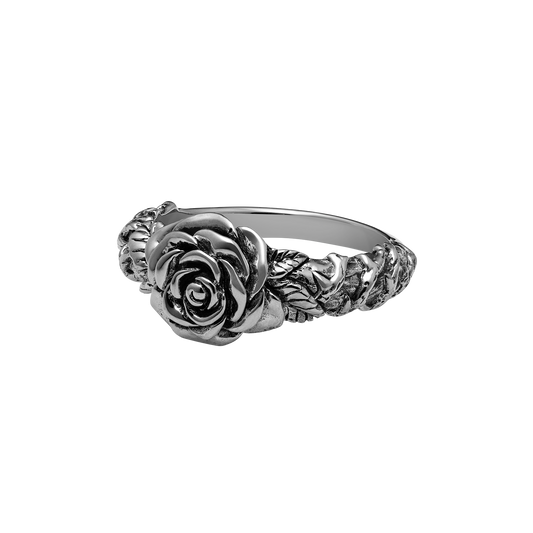
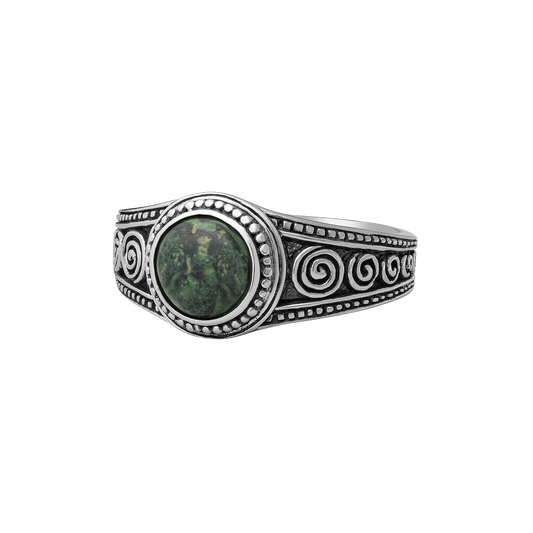
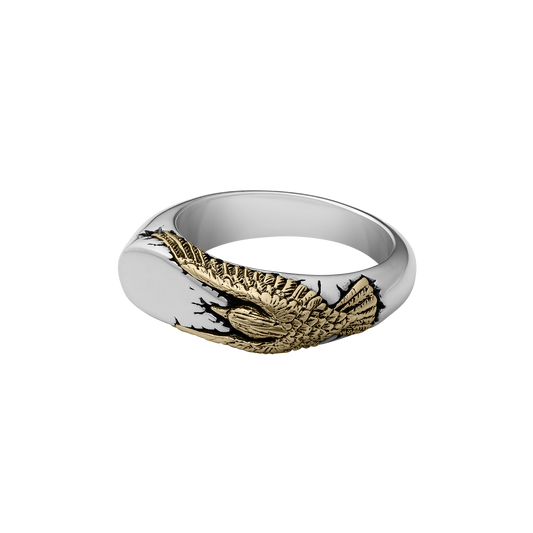
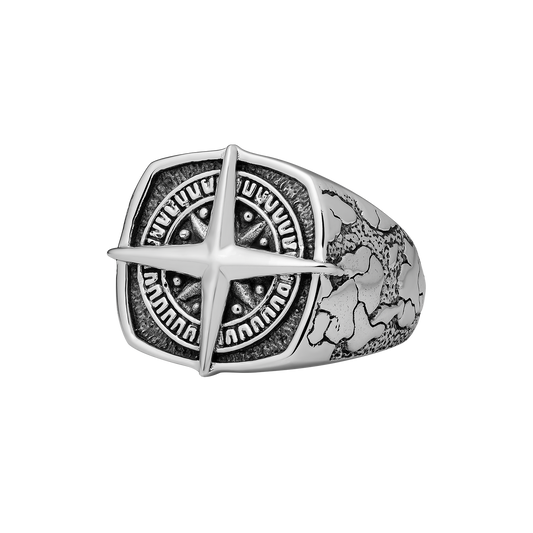
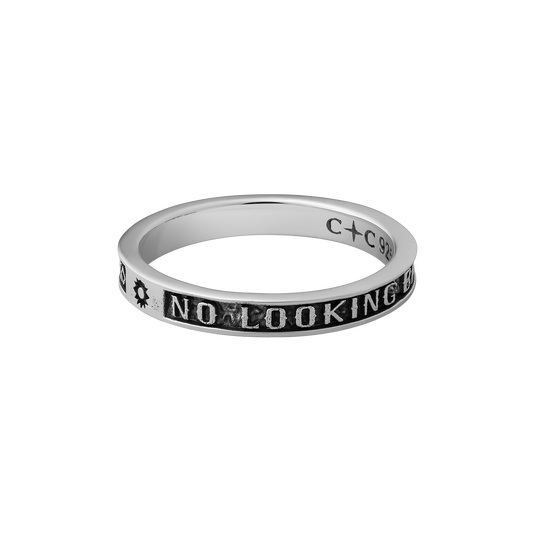
Silver reacts to the air around it. Oxygen and sulfur compounds cause a chemical change on the surface, and that change is what most people call tarnish. It's not a flaw. It's simply what happens to a soft, reactive metal over time, and a few household tools reverse it in minutes.
This complete guide covers how to clean silver jewelry safely, whether you're working with solid sterling, silver-plated pieces, stones, or mixed metals.
What's the Best Way to Clean Silver Jewelry?
The right method depends on the piece.
Solid sterling silver (stamped 925) tolerates mild soaking and gentle friction. Silver-plated jewelry needs a lighter touch, since the plating layer can wear through. Pieces set with stones need a method that won't damage the setting or the stone itself. The best method is using a specially made silver polish and a soft bristle brush or microfiber cloth to gently remove the tarnish.
Warm water and a mild soap handle most situations safely. Stronger methods, like baking soda and foil, work well on heavily tarnished pieces but should stay away from stones, pearls, and plated jewelry.
How to Clean Silver Jewelry at Home
You need four things: a small bowl, a soft-bristled brush, a microfiber cloth, and a cleaning solution.
- Fill a bowl with warm water and a few drops of mild dish soap.
- Submerge the jewelry for five minutes.
- Brush gently along any engraved or textured areas.
- Rinse under warm water.
- Dry immediately with a soft cloth.
This method works for most sterling silver rings, chains, and bracelets, and it carries the lowest risk of scratching or damaging stones. This will remove body oils and debris from silver, but it won't remove tarnish. In fact, getting silver wet can increase tarnish if not dried immediately due to the oxygen molecules in water.
How to Clean Tarnished Silver Jewelry
Tarnish forms in layers, so heavier discoloration needs a stronger reaction.
Line a bowl with aluminum foil, add boiling water, then stir in a tablespoon of baking soda and half a cup of white vinegar. The foil and baking soda create a reaction that lifts tarnish through ion exchange. Submerge the jewelry for two to three hours, then rinse and dry.
This method suits plain sterling silver well. Skip it for pieces with stones, pearls, or antique oxidized finishes, since the reaction can strip intentional darkening from engraved details.
How to Clean 925 Silver Jewelry
A 925 stamp means the piece contains 92.5% pure silver, alloyed with other metals for strength. That alloy is exactly why 925 pieces tarnish, since pure silver alone reacts far less with air.
Soap and water clean most 925 jewelry safely. For pieces with heavier tarnish, the baking soda and foil method works well, provided the piece has no stones or delicate plating.
How to Clean Silver-Plated Jewelry
Silver plating sits as a thin layer over a base metal, so it wears down with repeated scrubbing.
Stick to soap and water only. Avoid baking soda, vinegar, and any abrasive cloth, since these can strip the plating and expose the metal underneath. A gentle wipe with a microfiber cloth after each wear keeps plated pieces looking sharp for longer.
Natural and DIY Ways to Clean Silver Jewelry
Household items handle most silver cleaning jobs without a specialized product.
Soap and water works for nearly everything, including pieces with stones.
Olive oil and lemon juice (half a cup of lemon juice to a teaspoon of olive oil) suits spot cleaning. Dab the mixture directly onto tarnished areas, then wipe clean.
Baking soda and foil handles heavier tarnish on plain sterling pieces.
Each method uses ingredients already in most kitchens, which makes natural silver cleaning both practical and low-cost.
How to Clean Silver Jewelry with Stones or Mixed Metals
Stones and mixed metals change the rules.
Soap and water remains the safest choice for diamonds, onyx, turquoise, and most other set stones. Avoid soaking porous or organic materials, including pearls, turquoise, and opal, since prolonged water exposure can damage them. Wipe these with a barely damp cloth instead.
For jewelry combining silver with gold or stainless steel, clean each metal according to its own requirements, then dry the whole piece thoroughly before storing it.
How to Clean Fake, Costume, or Silver-Tone Jewelry
Silver-tone and costume jewelry usually consists of a base metal with a thin silver-coloured coating, not real silver.
Water exposure and abrasive cleaning wear through this coating quickly. A dry microfiber cloth, wiped gently after each wear, is the safest way to maintain shine on costume pieces long-term.
Final Tips on Cleaning Silver Jewelry
A few habits extend the time between cleanings:
- Remove jewelry before swimming, showering, or applying lotion.
- Store pieces in a dry, airtight space, away from rubber, paper, and household chemicals, all of which release sulfur compounds.
- Wear silver often. Skin oils create a light barrier that slows tarnish formation.
- Clean sterling silver roughly once a month with regular wear. Over-cleaning wears down the metal itself.
Myths & Facts About Cleaning Silver Jewelry
Does Ketchup Clean Silver Jewelry?
Yes, to an extent. Ketchup contains acetic acid, which dissolves light tarnish. It works in a pinch, but it leaves a faint odor and residue that needs thorough rinsing.
Does Baking Soda Clean Silver Jewelry?
Yes. Combined with foil and hot water, baking soda drives a chemical reaction that lifts tarnish without physical scrubbing.
Does Toothpaste Clean Silver Jewelry?
Only some kinds, and with risk. Whitening toothpaste contains mild abrasives, which remove tarnish but also scratch soft silver over repeated use. Plain soap and water is safer for regular cleaning.
Does Aluminum Foil Clean Silver Jewelry?
Yes, when paired with baking soda and salt in hot water. The foil acts as the second half of the chemical reaction, not as a cleaning surface on its own.
Do Stones Clean Silver Jewelry?
No. Some people believe rubbing silver against certain stones removes tarnish, but this has no chemical basis. Stones don't clean silver. Soap, water, or a proper reaction-based method does the work.
Sources:
- Canada.ca. Understanding How Silver Objects Tarnish. https://www.canada.ca/en/conservation-institute/services/training-learning/in-person-workshops/understanding-silver-tarnish.html
- Brittanica.com. Sterling, metallurgy. https://www.britannica.com/art/sterling-metallurgy
- Better Homes and Gardens. How to Clean Silver Jewelry in a Matter of Minutes. https://www.bhg.com/homekeeping/house-cleaning/tips/how-to-clean-silver-jewelry/
- KDM Fabrication. Does Silver Rust? https://kdmfab.com/does-silver-rust/
- KDM Fabrication. Stainless Steel vs. Sterling Silver: Which Is a Better Choice? https://kdmfab.com/stainless-steel-vs-sterling-silver/
- The Spruce. How to Clean Sterling Silver. https://www.thespruce.com/how-to-clean-sterling-silver-5509319
- Adept Trading, LLC. Where is Sulfur Used in Everyday Life? https://adept-trade.com/2024/02/26/where-is-sulfur-used-in-everyday-life/