Tarnish looks alarming the first time you notice it. A ring that once sat bright and clean now carries a dull yellow or dark grey film, and the instinct is to assume something's gone wrong with the metal itself. Nothing has. Tarnish is a surface reaction, not damage, and it comes off with a few household tools and a bit of time.
This guide covers why silver tarnishes, how to remove it safely from sterling silver and silver-plated pieces, and how to keep it from coming back as quickly.
Why Does Silver Tarnish?
Silver reacts with sulfur compounds in the air. That reaction forms silver sulfide on the surface of the metal, the thin dark layer known as tarnish.
Sulfur shows up in more places than most people expect: rubber, wool, some paper products, natural gas, and even the low-level compounds released by skin and household air. Humidity speeds the process along, since moisture helps the reaction happen faster.
Pure silver resists this less than people assume, but jewelry-grade sterling silver reacts more, since it contains other metals (usually copper) mixed in for strength. That copper is part of why tarnish forms as quickly as it does on rings, chains, and bracelets worn daily.
How to Clean Tarnished Silver
Light tarnish comes off with soap and warm water. For a piece that's gone further, dip it in the solution for a few minutes, then work a soft-bristled brush gently across any engraved or textured detail.
For heavier tarnish, a baking soda and foil solution creates a stronger reaction. Line a bowl with aluminium foil, add boiling water, then stir in a tablespoon of baking soda and a pinch of salt. Submerge the tarnished piece for a few minutes, then rinse and dry immediately.
This reaction works through ion exchange between the silver and the foil, not through scrubbing, so it lifts tarnish from detailed engravings and tight settings without risking scratches.
Skip this method for stones, pearls, or antique pieces with an oxidised finish, since the reaction can strip intentional darkening along with the tarnish itself.
How to Remove Tarnish from Sterling Silver
A 925 stamp confirms sterling silver, meaning the piece contains 92.5% pure silver alloyed with other metals for durability. That alloy content is exactly why sterling silver tarnishes faster than pure silver.
Soap and water handle most sterling silver safely. For pieces with heavier discolouration, the baking soda and foil method works well, provided the piece carries no stones or delicate finishes. A commercial silver polish, applied with a soft cloth, offers a faster option for pieces that need frequent attention.
Whatever method you choose, dry the piece completely afterward. Leaving sterling silver wet slows nothing and only gives tarnish more time to reform.
How to Untarnish Silver Jewelry
Different pieces call for different levels of care, mostly based on how the tarnish sits and how delicate the piece is.
How to Remove Tarnish from Silver Necklaces
Chains collect tarnish unevenly, often settling deeper into link joints and clasps than across flat surfaces. Soap and water lifts most surface tarnish, but a soft-bristled brush helps work into tight links where a cloth can't reach.
For chains with heavier buildup, the baking soda and foil method works particularly well, since the solution reaches every link at once rather than requiring you to scrub each one individually. Lay the chain flat in the solution so it doesn't tangle, then rinse thoroughly before drying.
How to Remove Tarnish from Men's Silver Rings
Rings see more daily contact than almost any other piece, which speeds up tarnish in the grooves of engraved bands or detailed settings.
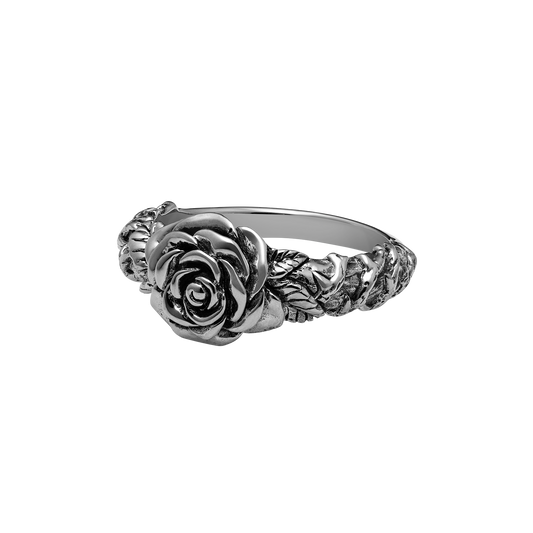
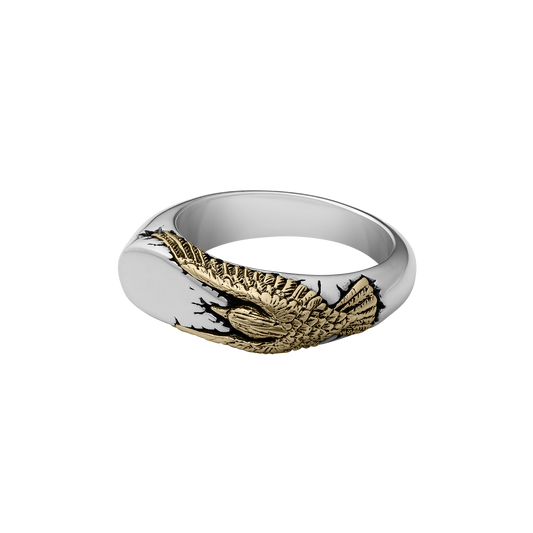
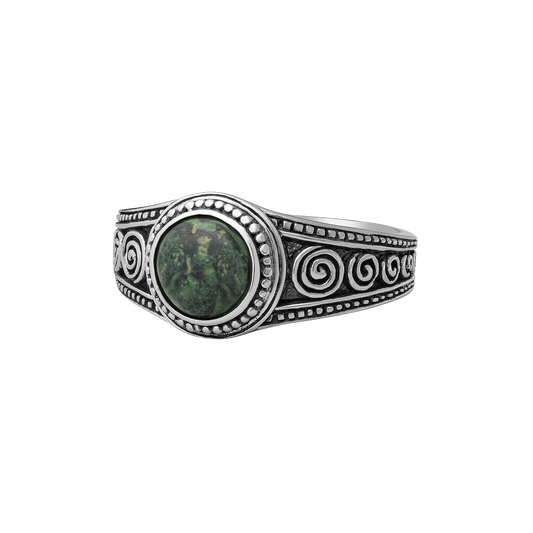
Soap and water works for most everyday tarnish. For engraved men's rings, a soft-bristled toothbrush reaches into the detail without wearing down the design. Heavier tarnish responds well to the baking soda and foil method, especially on plain bands without stones.
Remove rings before swimming, showering, or applying lotion, since these speed up tarnish buildup around the band and any raised detail.
How to Remove Tarnish from Silver-Plated Jewelry
Silver plating sits as a thin layer over a base metal, so it needs a lighter approach than solid sterling.
Soap and water is the safest method for plated pieces. Avoid baking soda, vinegar, and any abrasive cloth, since these can wear through the plating and expose the metal underneath. A gentle wipe with a microfiber cloth after each wear keeps plated jewelry looking sharp without stripping the finish over time.
Once the plating wears through in a spot, no cleaning method restores it. Prevention matters more here than on solid sterling.
Final Tips on Preventing Silver Tarnish
A few habits slow tarnish down considerably:
- Store silver in a dry, airtight space, away from rubber bands, paper, and household chemicals that release sulfur compounds.
- Wear silver often. Skin oils create a light barrier that slows the tarnishing process.
- Keep anti-tarnish strips or bags in your jewelry box if pieces sit unworn for long stretches.
- Avoid exposing silver to perfumes, lotions, and hairsprays, all of which speed up discolouration.
- Clean sterling silver roughly once a month with regular wear. Over-cleaning wears down the metal itself over time.
Tarnish will always return eventually. It's simply what happens when silver meets air. With the right habits, though, the time between cleanings stretches out considerably, and the piece keeps its shine with far less effort.