The January birthstone carries weight.
Deep red. Dense. Grounded. Garnet doesn’t chase attention, it holds it. For centuries, it has been associated with protection, endurance, and quiet strength. It’s a stone that feels less ornamental and more intentional.
If you’ve ever wondered, what is the birthstone for January? The answer is red garnet. But the story runs deeper than colour alone.
This guide explores the January birthstone meaning, its history, where it’s found, how to wear it, and why garnet remains one of the most enduring stones in men’s jewelry.

Garnet Birthstone
The birthstone for January is garnet, specifically red garnet, though the mineral family spans multiple shades.
Garnet is a silicate mineral that has been used in jewelry and talismans for over 5,000 years. Ancient warriors carried it into battle. Travellers wore it for protection. Craftsmen prized it for its durability and saturated tone.
Garnet ranks 6.5 to 7.5 on the Mohs hardness scale, making it durable enough for daily wear in rings, pendants, and bracelets. That durability is part of why January birthstone jewelry continues to hold relevance.
Garnet Birthstone Meaning & History
The January birthstone meaning centers on endurance, grounding, and commitment.
Historically, garnet symbolized protection during travel, loyalty and long-term bond, strength in adversity, stability and self-trust.
The etymology of the word “garnet” begins with the Latin word for “seed”, granatus. Granatus is the root of the word “pomegranate,” from which the term “garnet” was derived, a reference to garnet’s resemblance to deep red pomegranate arils. Across cultures, garnet represented life force without excess. Passion, but disciplined. Power, but contained.
Unlike trend-driven gemstones, the January gemstone birthstone carries practical symbolism rather than ornamental. It’s less about display and more about intention.
Modern interpretations of garnet reflect resilience, personal integrity, and inner fire that doesn’t need to flare. Rather than beg for attention, garnet earns it.
Where Is Garnet Found?
Each region in the world produces its own slight variations in tone and clarity. Some stones lean darker, almost burgundy. Others carry subtle brown or violet undertones.
Because garnet forms under intense heat and pressure, it’s often associated with endurance, shaped by force, refined by time.
That geological origin reinforces why the birthstone month of January begins with a stone formed under stress. It reflects the season itself: cold, demanding, resilient. Garnet deposits are found across the globe, including India, Sri Lanka, Madagascar, Mozambique, the United States (especially Arizona & Idaho) and Russia.

Garnet Birthstone Color & Varieties
When searching, what colour is the January birthstone? Most people expect red. But garnet is a family of minerals, not a single shade.
The most recognizable variety is Almandine Garnet, whose deep wine-red tone is most commonly associated with the January birthstone.
Other garnet varieties include: Pyrope (bright red), Spessartine (orange-red), Grossular (green to yellow) and Andradite (green to black)
The classic January birthstone garnet remains a saturated red, a tone that pairs naturally with sterling silver and oxidized metal finishes. Red garnet holds presence without flash. It absorbs light more than it reflects it. That density is what gives it depth.
Garnet Birthstone Care & Cleaning
One reason January birthstone jewelry remains popular is its durability. Garnet’s lack of fragility means it stands up to the test of everyday wear, but like all gemstones, how you care for garnet matters.
Cleaning Tips:
-
Use warm water and mild soap
-
Gently scrub with a soft brush
-
Avoid ultrasonic cleaners for fractured stones
-
Store separately to prevent scratching
Sterling silver settings should be polished occasionally to maintain contrast against the stone’s depth. Avoid prolonged exposure to harsh chemicals or extreme temperature changes.
With proper care, a January birthstone ring or pendant can last decades without losing its character.
Garnet Jewelry: Rings, Necklaces & Gifts
January Birthstone Ring
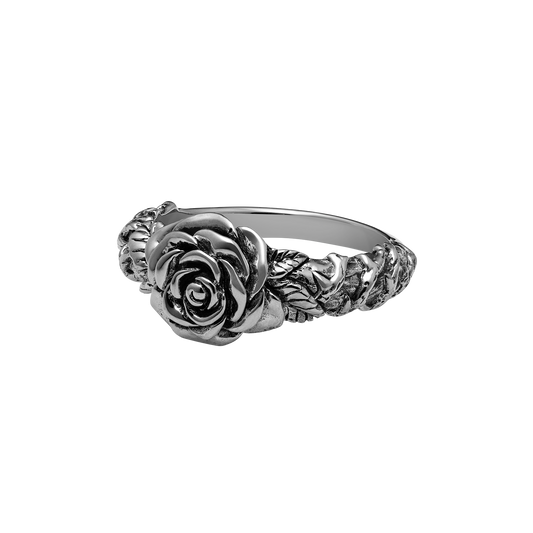
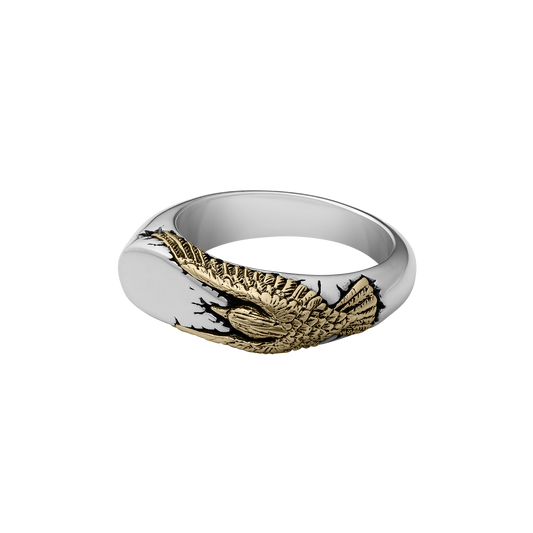
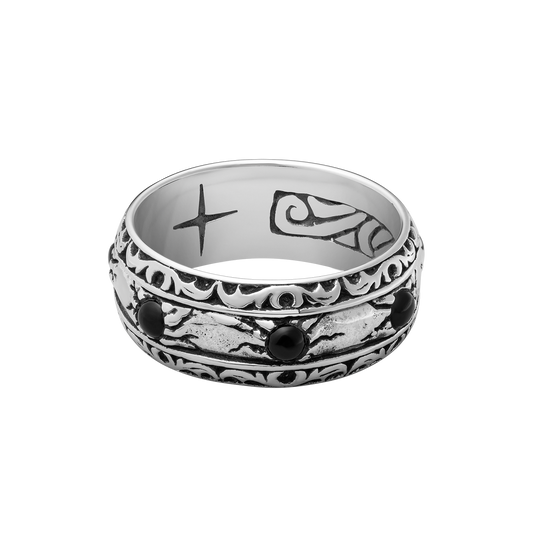
A January birthstone ring carries weight and symbolism. In men’s design, garnet works best in signet settings or structured bands where the stone sits flush or slightly raised. Statement ring features a sterling silver intricate design with a red garnet stone. Sterling silver enhances the depth of red garnet. Oxidized details create contrast.
January Birthstone Necklace

A January birthstone pendant offers a more understated approach. Layered chains work well with garnet pendants, especially when metal tone remains consistent.
January Birthstone by Date of Birth
While garnet is the traditional birthstone for January, the garnet family includes several varieties with distinct color profiles. Some modern interpretations associate different garnet types with specific birth dates throughout the month.
|
Dates |
Garnet Variety |
Color Profile |
Symbolic Tone |
|
January 1, 6, 11, 16, 21, 26, 31 |
Pyrope Garnet |
Bright Red |
Vitality & Strength |
|
January 2, 7, 12, 17, 22, 27 |
Almandine Garnet |
Deep Wine Red |
Endurance & Loyalty |
|
January 3, 8, 13, 18, 23, 28 |
Spessartine Garnet |
Orange-Red |
Confidence & Creativity |
|
January 4, 9, 14, 19, 24, 29 |
Grossular Garnet |
Yellow-Green |
Renewal & Growth |
|
January 5, 10, 15, 20, 25, 30 |
Andradite Garnet |
Green to Black |
Protection & Resilience |
Though the specific variety may change, for January 1–31 birthstones, garnet remains consistent across the entire month.
Alternative January Stones: Rose Quartz, Red Spinel & Tsavorite
While garnet is the traditional birthstone for January, some modern interpretations include alternative stones. Here’s the list of the best alternatives.
Rose Quartz
Soft pink in tone, rose quartz represents calm and emotional balance. It contrasts sharply with garnet’s density.
While rose quartz carries symbolic warmth, it lacks the durability and structural presence of garnet in men’s jewelry.
Red Spinel
Often mistaken for ruby, red spinel shares garnet’s saturated colour but offers higher brilliance. It symbolizes renewal and vitality.
For those seeking a January-adjacent stone with sharper light return, spinel is a compelling option.
Tsavorite
A green garnet variety, tsavorite, offers a vivid emerald-like tone. It maintains the garnet's durability while dramatically shifting colour.
For someone drawn to the garnet family but wanting something less traditional, tsavorite delivers contrast.
Ways to Wear Your January Birthstone
Red garnet pairs naturally with: Sterling silver. Oxidized silver finishes. Matte metal textures. Dark leather. Layered chain styles
Keep proportions balanced. Garnet works best when the metal carries weight equal to the stone.
Avoid over-polished settings that overpower its depth. Less is stronger.
For daily wear:
-
A structured January birthstone ring
-
A minimal January birthstone pendant
- A silver chain with a subtle garnet accent
Where to Buy or Explore More Birthstones
When looking to explore the January birthstone garnet, choose pieces crafted from solid sterling silver or durable stainless steel. Avoid plated metals that diminish over time. Garnet deserves structure.
If you’re exploring additional stones, consider: February: Amethyst. March: Aquamarine.
April: Diamond. Each month carries a distinct character, but January begins with something grounded.
Final Thoughts: Why Garnet Endures as January’s Birthstone
The January birthstone doesn’t shimmer for approval. It absorbs light. Hold it. Keep it. Garnet represents endurance without spectacle. Commitment without noise. Strength that doesn’t need announcement.
So the best answer for what is the birthstone for January? It's garnet. And it’s endured for thousands of years for a reason. It reflects winter. It reflects resilience. It reflects presence.
And like the month it represents, it begins the year with weight.